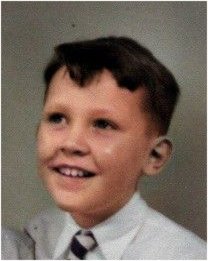
Moel Famau was a very popular outing for cub packs; Dad was Akela of the 33rd Wavertree cub pack in the fifties and I think we went at least once a year from 1954 to 1957, and quite a few times with the Scouts after that. So many times in fact that it’s impossible to tease out one memory from another, so what follows is a general recollection of a Moel Famau excursion. Quite how it was achieved in a single day, even in the summer months, now seems incomprehensible but frequent and reliable bus services must have played a big part.
These days you’d probably hire a coach for a trip like this, but in the 1950s ours followed a familiar pattern. Very early on a Saturday morning twenty or thirty cubs and their leaders would pile onto the top of a 79 bus at Score Lane, where you’d be met by a dozen or so of your mates who’d already got on at Bentham Drive and the prefab estate in Childwall Valley, then a few more would get on at the Fiveways for the journey through town to the terminus at the Pier Head.
These days the Mersey ferries are a tourist destination in their own right, but back then they were a vital part of any journey to the Wirral and beyond. We’d pile down one of the long echoing iron pedestrian tunnels at the Pier Head to the floating landing stage – just how steep the descent was depended on the state of the tide – where you waited for the boat to arrive. There were trains under the river but we never used them – the ferry was probably a lot cheaper and took you directly to the bus stop on the other side.
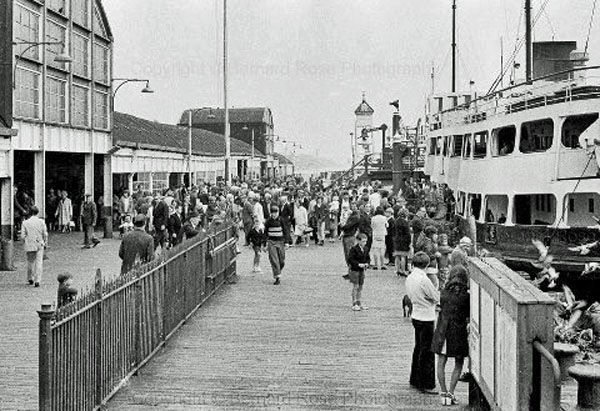
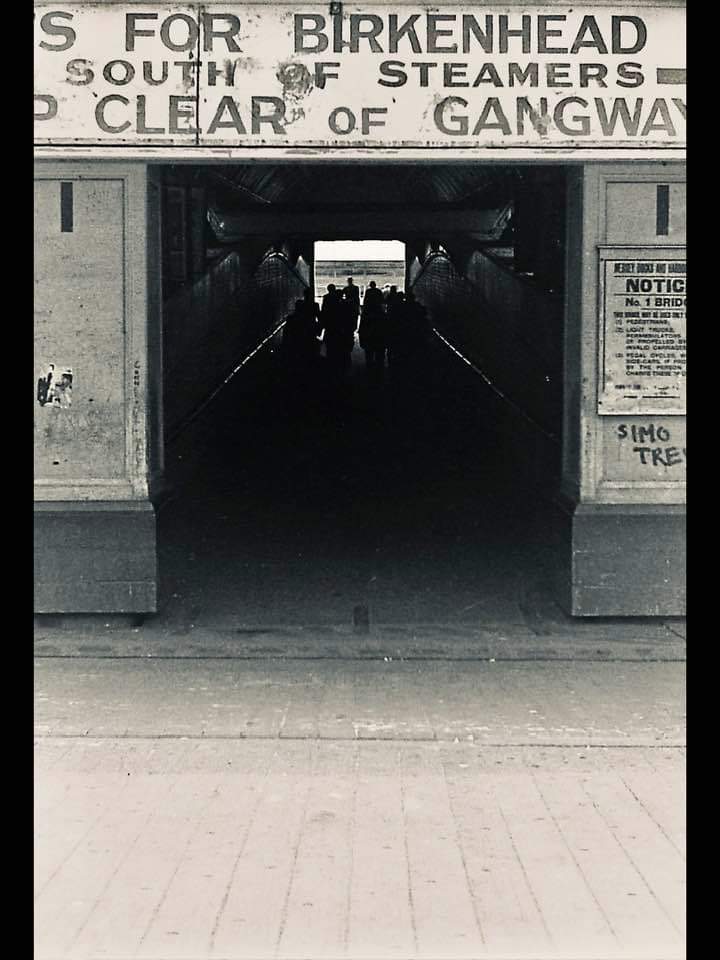
The Liverpool landing stage was huge: if you turned right you’d find the ferries for Wallasey and New Brighton, but we were headed for the Woodside terminal at Birkenhead. As the ferry approached, coils of thin rope were thrown ashore fore and aft by crew members to be caught by the shore gang. At the other end of each rope was fixed a heavy hawser to be wound skilfully and rapidly around the mooring bollards on the landing stage, with much creaking and groaning.
Once the boat was stationary the gangways were lowered onto the deck and we all charged on board. If it was busy, you had the extra thrill of the high level gangway coming into service and you’d climb the steps to get directly on to the top deck in the open air (which was where cubs always ended up anyway) but this rarely happened at weekends.
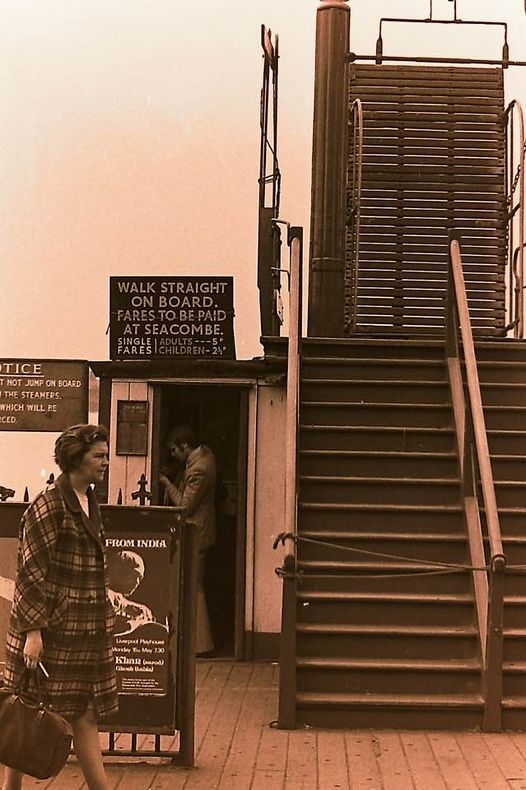
Once on board you waited for the ticket man to come round, handed over your penny fare and got a ticket in exchange. When the fifteen minute crossing neared its end you’d all pile downstairs to wait for the gangway to be lowered. A brass strip marked the area within which the gangway was likely to land, and you knew never to step over it at mooring time. I don’t remember a gangway ever landing on anyone’s toe, or worse, but there may have been accidents. The brass strip was the best health and safety measure for the time!
From Woodside it was a short walk to the bus stops, which were all on a steep road leading down to the river, alongside the metal fence of the Cammell-Laird shipyard. There were buses heading to all destinations on the Wirral and beyond, but we had to wait for the one to Loggerheads, the start of the walk. The wait in Birkenhead always seemed interminable, but probably no more than twenty minutes.
Then began stage three of our journey to the mountain. Once clear of Birkenhead town, the bus joined the long, straight, interminable New Chester Road until near Ellesmere Port it turned right to cross the Wirral heading for the Welsh border and then the notorious bottleneck at Queensferry. In those days a modest sign announcing “Croeso y Cymru”* was the only indication you were entering a foreign land; bilingual road signs were thirty or so years into the future.
At Queensferry, a few miles into Wales, there was a single bridge crossing the River Dee, carrying all the North Wales traffic from Merseyside. A few years later Transport Minister Ernie Marples opened a new bridge, and was photographed proudly covering the “Q” with his hand and quoted as “taking the Q out of Queensferry”. Needless to say, it didn’t work.
Having got clear of the traffic jam the roads became progressively windier until we reached the bus station in Mold, the biggest conurbation since Birkenhead. Occasionally we’d have to change buses here, but I think generally we stayed on and were soon in the hills on the road towards our final destination a few miles further on – Loggerheads, where the climb would begin.
- Welcome to Wales
 Dave's Memories
Leave a comment